Menu
Your cart is empty
Looks like you haven't added anything to your cart yet


Steam Heating Systems: The Complete Guide for Modern Homes (2026)
Steam heating is one of the most misunderstood systems still widely used in North America. Many homeowners assume that uneven heat, noise, or overheating are signs that steam systems are outdated or inefficient. In reality, most of these issues stem from the fact that these systems were designed for buildings that no longer exist in the same condition.
Early steam systems were engineered for homes with poor insulation, drafty construction, and single-pane windows. Today, those same homes have often been upgraded with better insulation and air sealing, but the heating systems have not been adjusted accordingly. The result is a system that delivers far more heat than the space actually requires.
Understanding how steam heating works, and how to adapt it to modern conditions, is the key to improving comfort, efficiency, and control.
How Steam Heating Systems Work
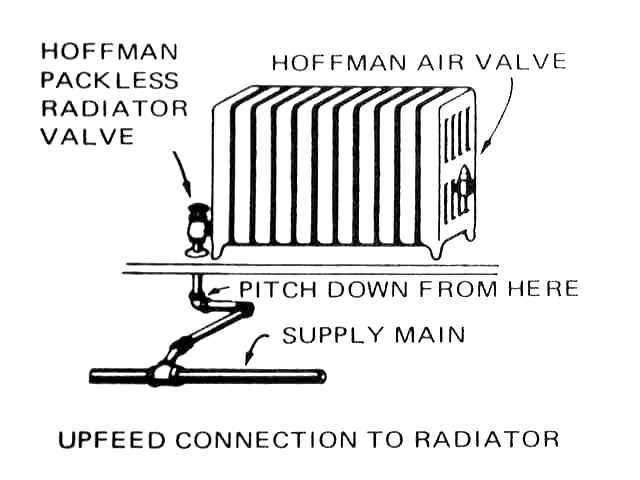

A steam heating system operates on a simple and durable principle. A boiler heats water until it turns into steam, which then travels through pipes to radiators located throughout the building. As the steam enters each radiator, it releases heat into the surrounding air. Once the steam cools, it condenses back into water and returns to the boiler to be reheated.
There are two primary types of steam systems. In a one-pipe system, steam and condensate share the same pipe, which means that air venting plays a critical role in system balance and performance. These systems are simpler in design but can be more difficult to fine-tune. In a two-pipe system, steam is delivered through one pipe while condensate returns through another. This separation allows for more consistent heat distribution and greater control.
Despite their age, both system types can perform extremely well when properly maintained and adjusted.
The Oversizing Problem in Modern Homes

The most common issue affecting steam heating systems today is oversizing. When these systems were originally installed, they were designed to compensate for significant heat loss. Homes leaked air, insulation was minimal, and windows provided little thermal resistance. To ensure comfort during the coldest conditions, radiators and boilers were sized generously.
As buildings have improved, heat loss has decreased substantially. However, the heating systems remain the same. This mismatch leads to a number of problems. Rooms can overheat quickly, forcing occupants to open windows in winter to regulate temperature. Boilers may short cycle, turning on and off frequently, which reduces efficiency and increases wear. Heat distribution becomes uneven, with some rooms overheating while others remain cooler.
In most cases, these issues are not caused by faulty equipment but by a system that is delivering more heat than necessary.
Why Steam Heat Often Feels Uncontrollable
Unlike modern forced air or hydronic systems, steam heating does not modulate output in a continuous way. Instead, it operates in cycles. Steam is produced, fills the system, and then dissipates before the next cycle begins.
This approach worked well in older homes where heat loss was constant and predictable. In a modern, well-insulated building, the same system can feel overly aggressive. Heat arrives quickly and in large quantities, often overshooting the desired room temperature. Because traditional radiators retain heat for a long time, the space can continue warming even after the system shuts off.
The perception that steam heat is uncontrollable is largely a result of this mismatch between system design and current building performance.
Adapting Steam Systems for Modern Performance
Improving a steam heating system does not usually require replacing it entirely. Instead, the focus should be on aligning the system’s output with the actual heat requirements of the space.
This process often involves resizing radiators, adjusting venting to better control how quickly steam enters different parts of the system, and ensuring that heat is distributed evenly throughout the building. In some cases, replacing oversized radiators with properly sized alternatives can significantly improve comfort and reduce overheating.
Modern materials and designs can also help. Radiators with lower thermal mass respond more quickly to changes in demand, allowing for better control in homes where heat loss is no longer constant.
Cast Iron and Modern Radiator Performance
Traditional cast iron radiators were well suited to the conditions they were designed for. Their ability to store and slowly release heat made them effective in drafty buildings with continuous heat loss. However, that same characteristic can become a drawback in a modern home.
Because cast iron holds heat for a long time, it tends to overshoot the desired temperature in well-insulated spaces. Once heated, it continues to emit heat even after the system has shut off, making precise control difficult.
Modern radiators, particularly those made from materials with lower thermal mass like aluminum, behave differently. They heat up more quickly and cool down faster, which allows them to respond more closely to actual heating demand. This makes them a better match for homes that have been upgraded with insulation and air sealing.
Proper Radiator Sizing
Accurate radiator sizing is one of the most important factors in achieving a comfortable and efficient steam heating system. Rather than relying on original system design assumptions, sizing should be based on the current heat loss of each room. Using tools like our radiator size calculator is a great place to start when determining your radiator needs.
This includes considering insulation levels, window area, air leakage, and local climate conditions. When radiators are matched to the true heating requirements of a space, the system can operate more smoothly, with fewer temperature swings and less wasted energy.
Many homeowners benefit from using a dedicated sizing tool to estimate the appropriate output for each room before making changes to their system.
Common Steam Heating Issues and Their Causes
Many of the issues associated with steam heating are well understood and can often be resolved without major system changes. Banging or hammering sounds are typically caused by water trapped in pipes or improper pipe pitch, which prevents condensate from draining correctly. Adjusting the slope of the piping or correcting sagging sections can often eliminate this problem.
Radiators that do not heat fully are frequently the result of air vent issues or partially closed valves. Ensuring that valves are fully open and that vents are functioning correctly can restore proper operation.
Uneven heating between rooms is often linked to imbalanced venting or differences in radiator size. Adjusting vent rates or addressing oversizing can help distribute heat more evenly throughout the building.
Short cycling of the boiler is another common issue and is usually a sign that the system is too large for the current heating demand. Reducing overall system output or improving balance can help extend cycle times and improve efficiency.
When Radiator Replacement Is Not Necessary
Not every steam system requires significant modification. In cases where heat is already evenly distributed and the home has not undergone major insulation upgrades, the existing system may still be well matched to the building.
If there are no issues with overheating, noise, or uneven performance, maintaining the current setup may be the most practical approach. However, in homes where comfort issues are present or where energy efficiency has improved significantly, targeted upgrades can make a noticeable difference.
Steam Heating in Modern Homes
Steam heating is not inherently outdated. In many cases, it remains a durable and effective method of heating when properly adapted to current conditions. The key is recognizing that the building has changed, and the system must be adjusted accordingly.
By focusing on proper sizing, balanced distribution, and appropriate equipment choices, a steam system can provide consistent, comfortable heat while operating more efficiently than many homeowners expect.
Next Steps
Homeowners looking to improve their steam heating system should begin by understanding their current heat requirements and evaluating whether their existing radiators are appropriately sized. From there, adjustments to venting, distribution, or equipment can be made to bring the system in line with modern performance expectations.
With the right approach, steam heating can continue to perform effectively for decades to come.
- Choosing a selection results in a full page refresh.